ACWORTH, GEORGIA.
Water Heater Installation & Replacement in Acworth, GA
A tank that fails in a finished Acworth basement can empty forty or fifty gallons into the room below, so replacing an aging heater on your schedule beats replacing it on its own.
When replacement beats another repair
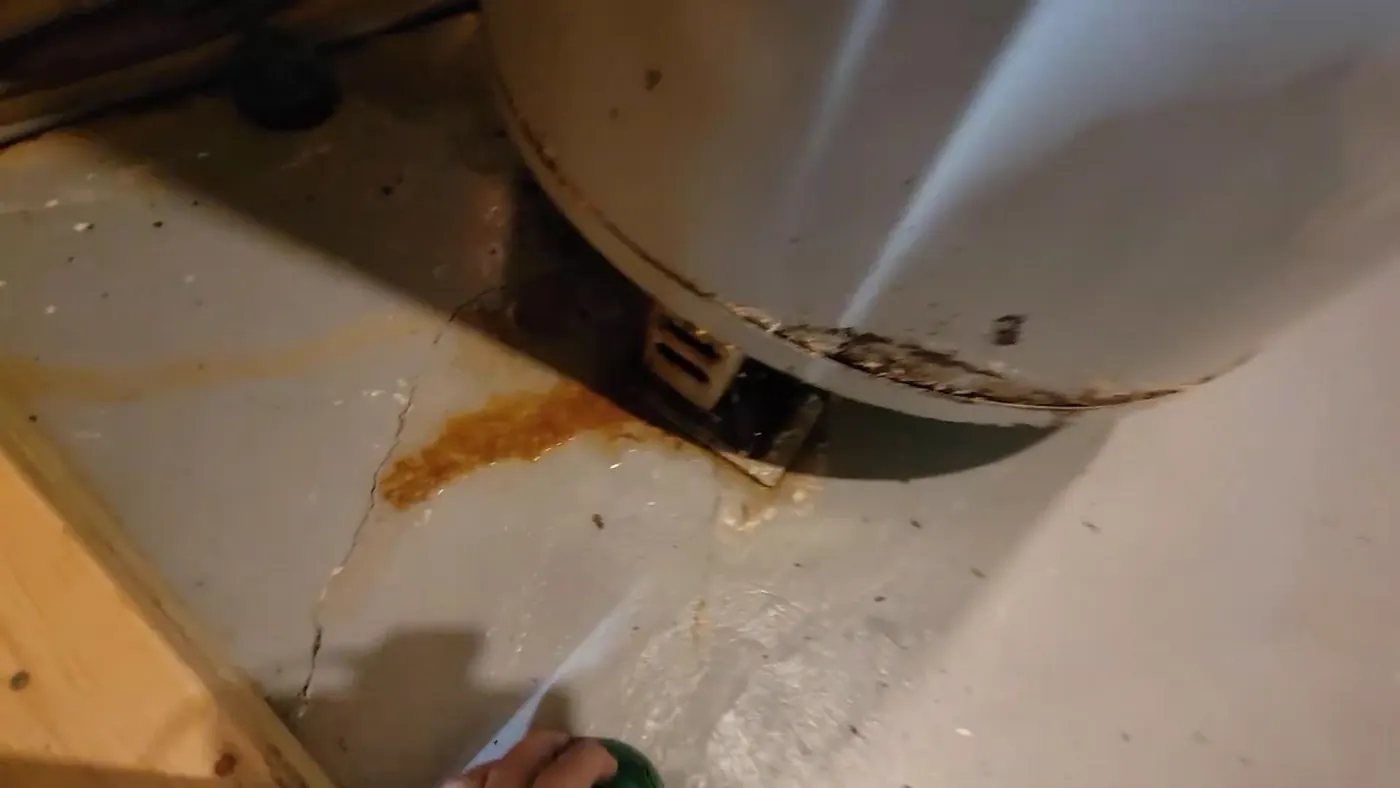
A tank water heater in this area typically lasts eight to twelve years. Once it is past that and showing rust at the connections, a rumble from sediment, or water at the base, another repair is usually throwing money at a unit near the end of its life.
Cobb's soft water is gentle on a tank compared with hard-water regions, so most failures here are age and sediment rather than heavy scale. That is a point in favor of planning the swap before the tank chooses the timing for you.
Doing the install to code
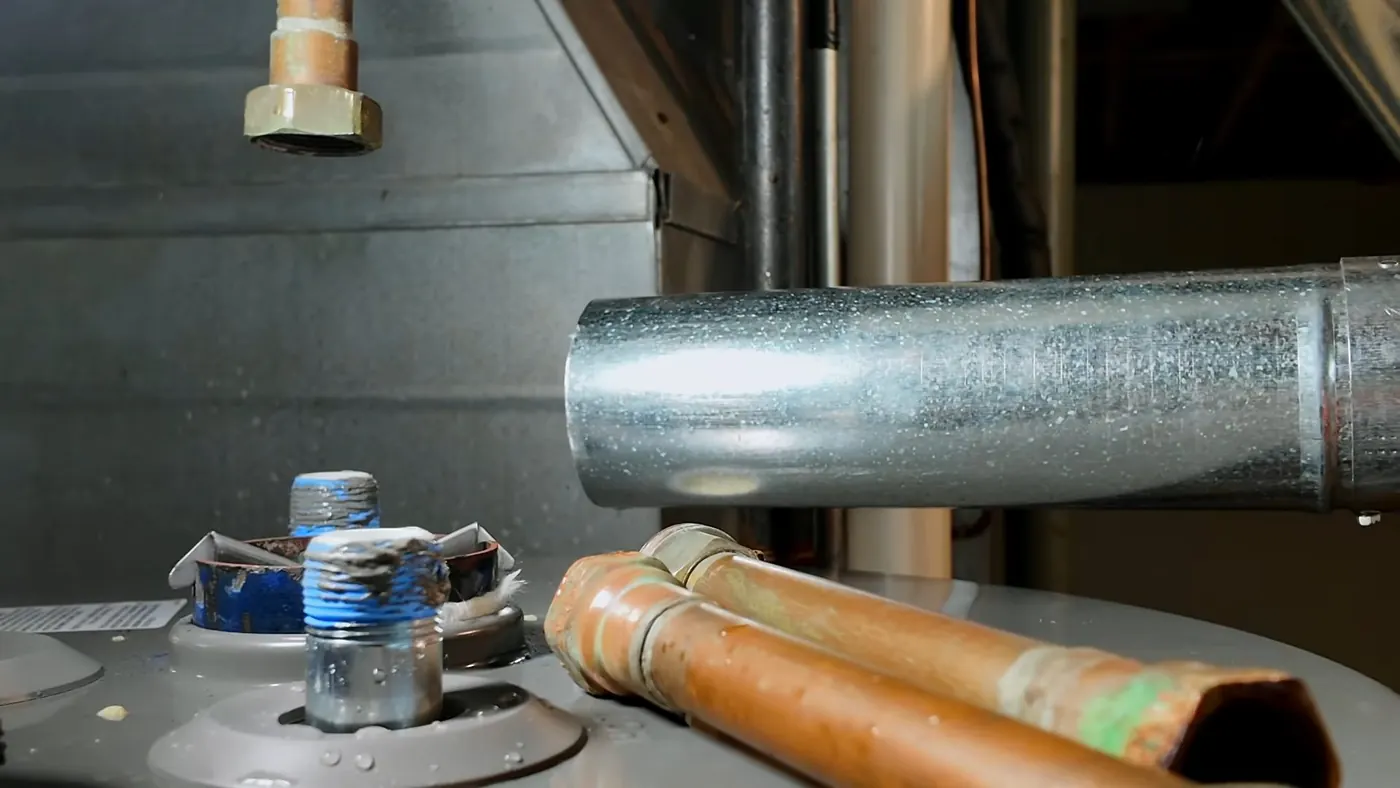
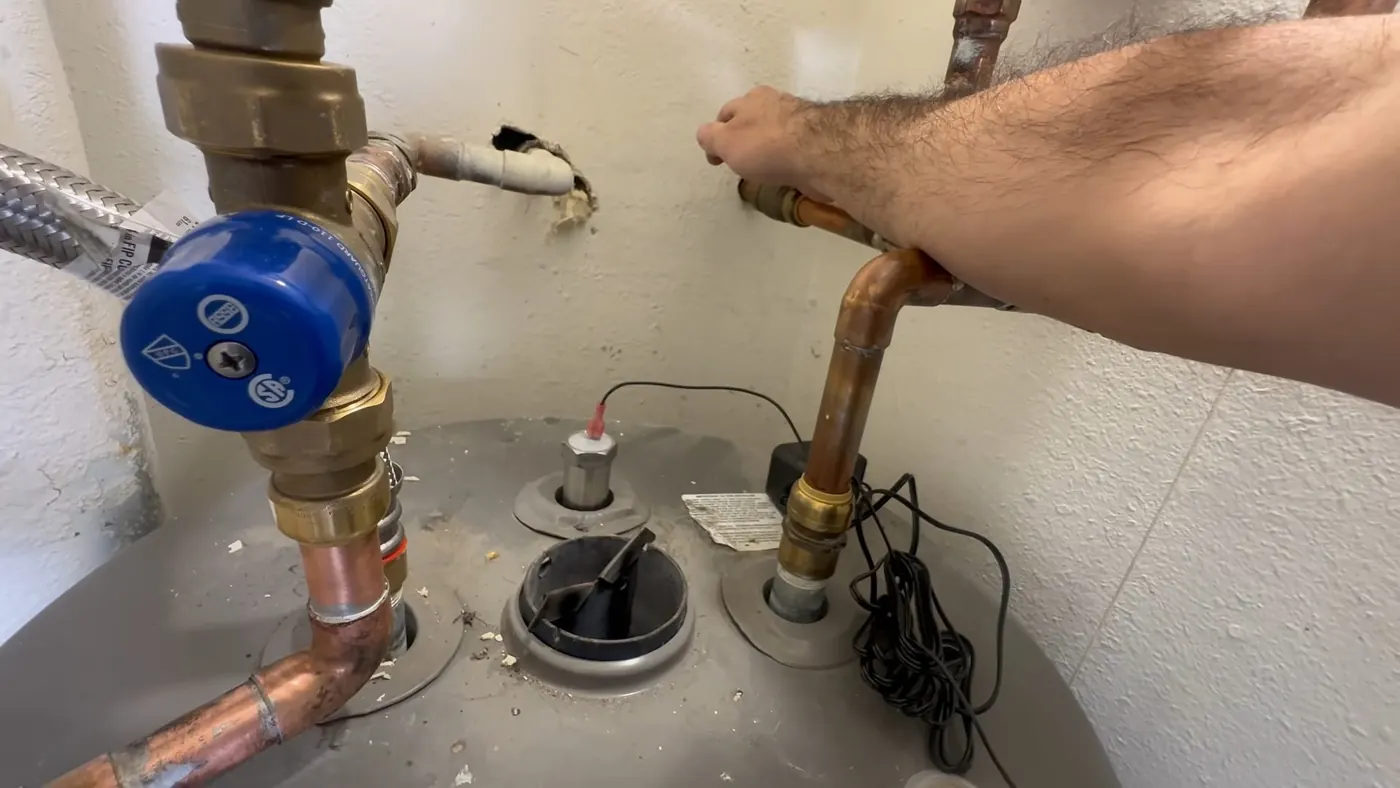
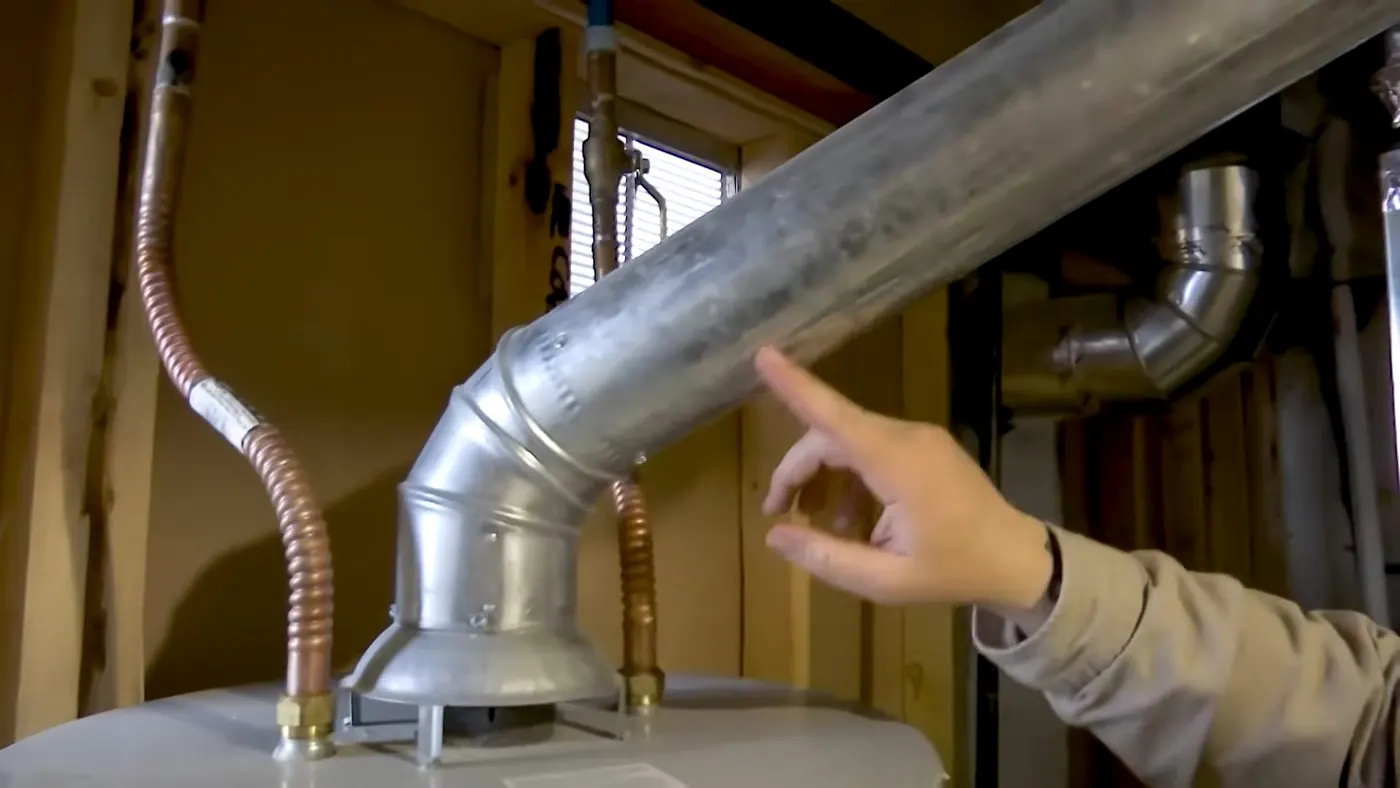
A correct installation is more than setting a tank. Georgia's plumbing code calls for thermal expansion control on a closed system, a temperature and pressure relief line run to a safe point, a drain pan and line where the location needs it, and proper venting on a gas unit. Skipping any of these is how a warranty claim gets denied.
We size the unit to the household's real demand, not just match whatever was there, so a growing family is not left short and a smaller home is not paying to heat water it never uses.
Need this looked at in Acworth?
Talk to a licensed Acworth plumber now. No forms, no callback queue, just a phone call.
Call (770) 764-0886Where the heater sits changes the install
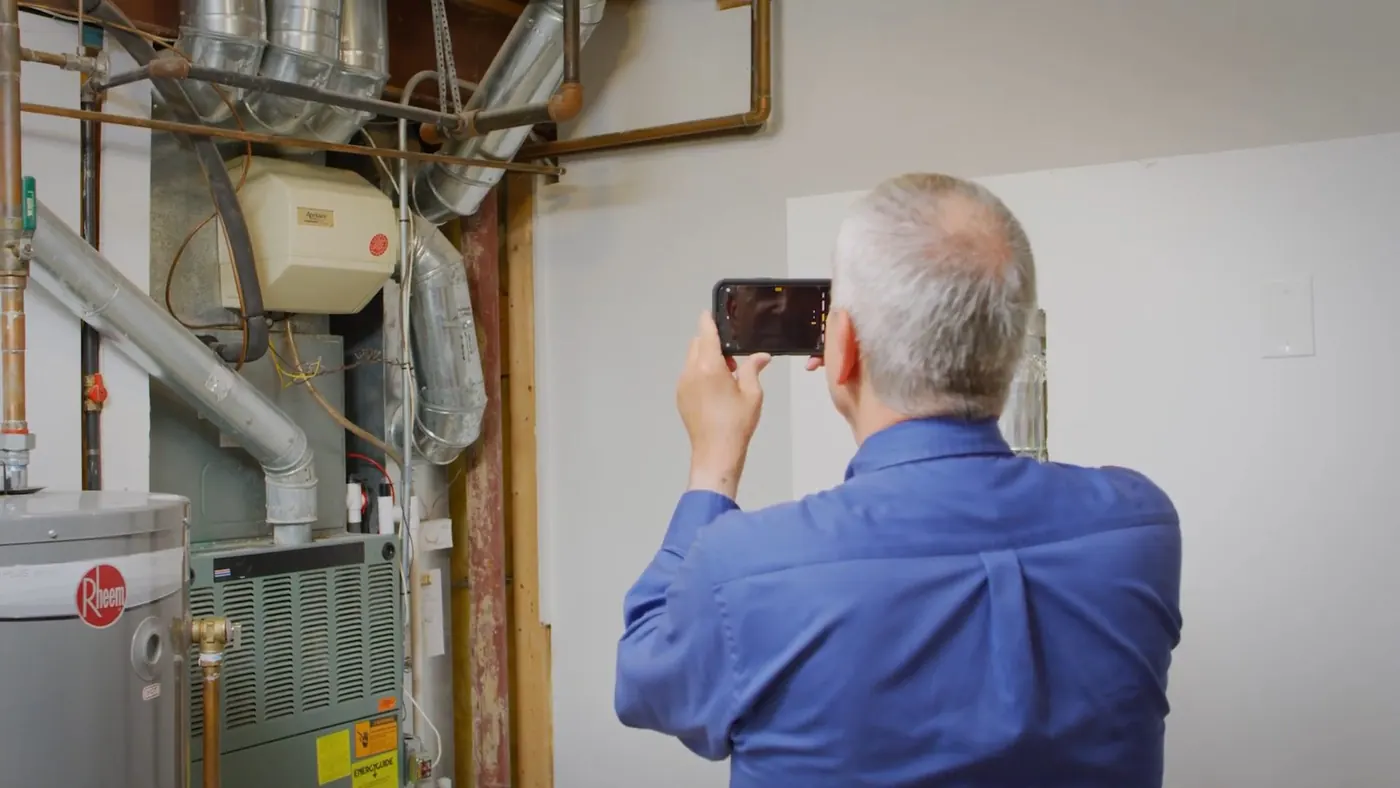
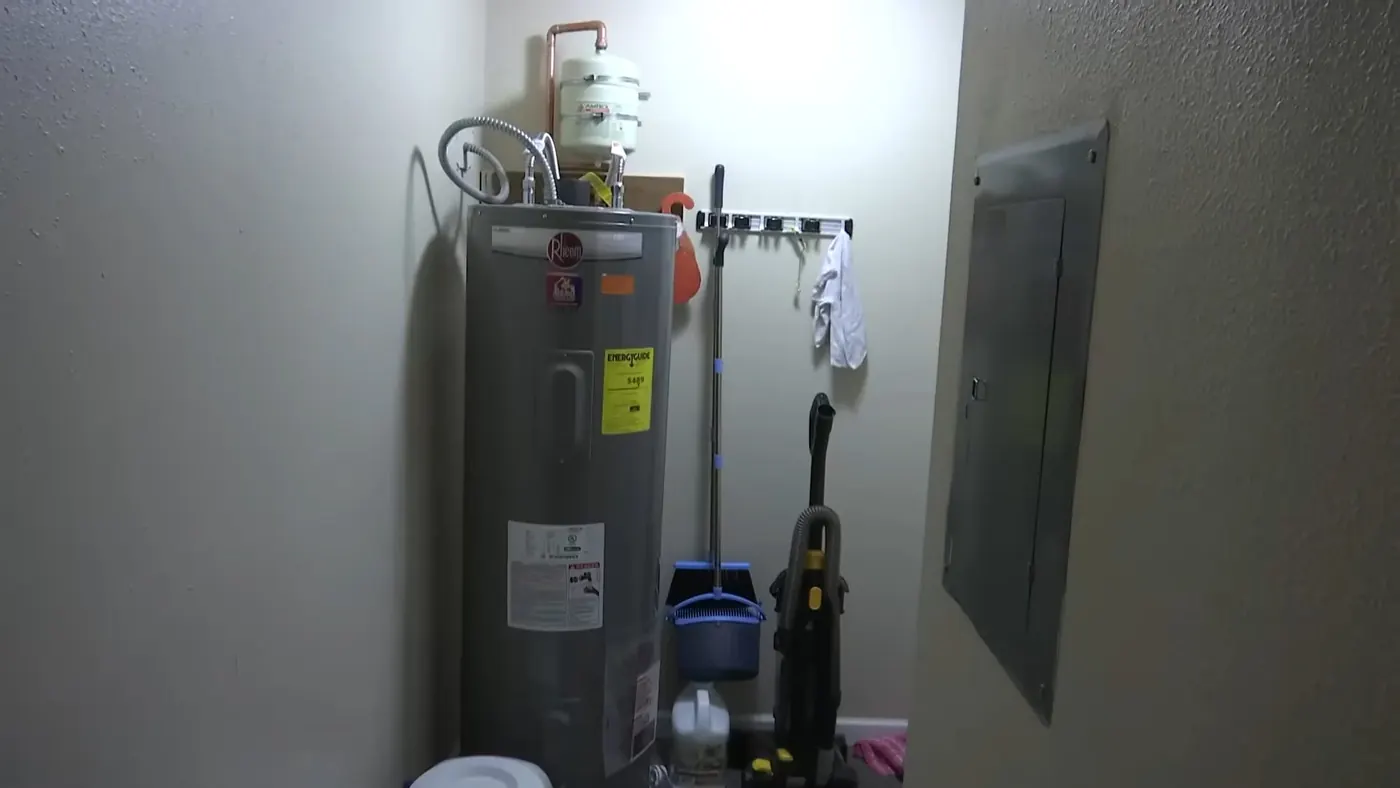
A water heater in a garage is a simpler swap than one in a finished basement or an attic. Location affects the pan and drain requirements, the venting on a gas unit, and how much a failure would cost if the tank let go. A heater over living space is exactly where a drain pan and a run to a safe point earn their keep.
We factor the location into the recommendation, not just the tank size, because the safest install for a garage is not the same as the safest install for a finished lower level.
Gas versus electric at replacement time
Replacement is a natural moment to reconsider fuel. A gas tank recovers hot water faster and keeps working in a power outage; an electric tank is simpler to install and vent. The right choice depends on what the home already has, the venting available, and how the household uses hot water.
Switching fuels is possible but adds work, a gas line or an electrical circuit, so we lay out that cost honestly rather than steering toward whichever is easiest for us.
The code details that matter
A water heater is installed to the International Plumbing Code that Georgia adopts. The code governs the relief valve and its discharge line, the drain pan where a leak could reach living space, and, on a gas unit, the venting. Those details are about safety, not preference.
On a gas install in particular, do not compromise the venting, since improper venting risks combustion products in the home. We install to the code for the unit's location, whether that is a garage or a finished space.
| Household | Tank guide | Note |
|---|---|---|
| 1-2 people. | 40 gallon. | Tankless worth considering for space. |
| 3-4 people. | 50 gallon. | Most common Acworth swap. |
| 5+ or two baths busy. | 75 gallon or tankless. | Match to peak demand, not average. |
Related help
If space or endless hot water matters, a tankless water heater is worth pricing against a tank. A younger unit with one bad part is a candidate for water heater repair instead of replacement. A tank that already let go in a finished room needs water damage restoration alongside the new unit.
QUESTIONS.
Answered in Acworth
How long should a water heater last here?
Roughly eight to twelve years for a tank. Soft Cobb water helps, so age, sediment and connection corrosion drive most replacements rather than scale. Past the ten-year mark, plan the swap rather than gamble on the tank.
Do I have to replace like for like?
No, and you often should not. We size to the household's real hot-water demand and can move you to a larger tank or a tankless unit if the current one is undersized or the space is tight.
What makes an install pass inspection?
Expansion control on a closed system, a correct relief line, a pan and drain where required, and proper venting on gas. We build to the Georgia code so the unit is safe and the warranty holds.
Does the heater need a drain pan?
Where a leak would reach living space or a finished area, yes, a pan and a drain line to a safe point are what limit the damage when a tank eventually fails. In a garage over a slab with a floor drain, requirements differ. We install to the code for the location.
Can I switch from electric to gas, or the other way?
Usually yes, but it adds work: a gas conversion needs a gas line and venting, and going electric needs the right circuit. We price that honestly so the decision reflects the real cost, not just the tank.
Ready when you are
Describe what is happening and you will reach a licensed Acworth plumber, not a form.