ACWORTH, GEORGIA.
Drain Cleaning in Acworth, GA
In Acworth's older neighborhoods the drain call is rarely just grease. It is tree roots that found a joint in a sewer lateral running under red clay.
The clog that keeps coming back
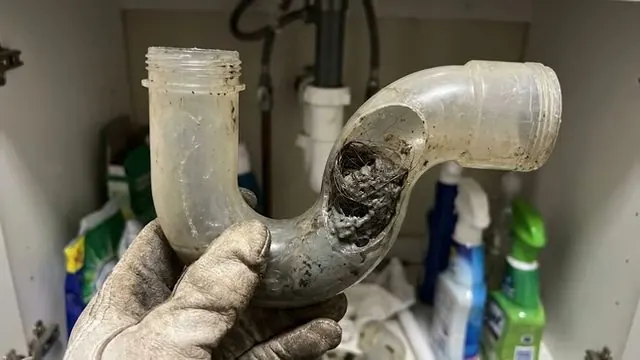
A single slow sink is usually a local clog: hair, soap or grease in the trap arm. A whole house that gurgles and backs up at the lowest fixture is a main-line problem, and in this part of Cobb County that main line is often being invaded by roots.
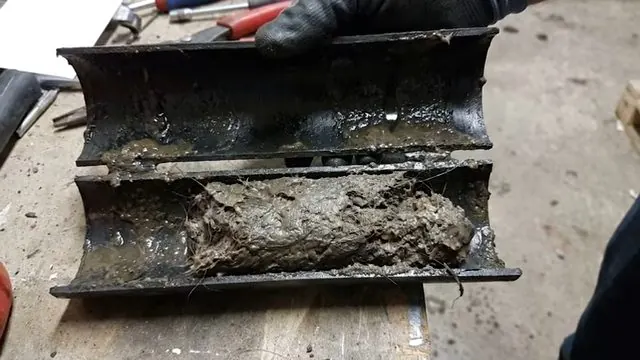
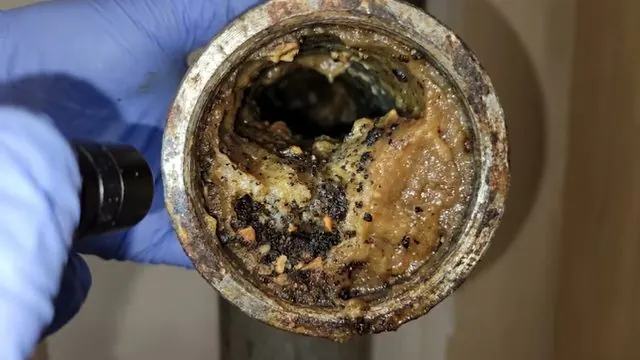
Metro Atlanta's canopy of pines and oaks sends roots looking for moisture, and they find the small gaps at pipe joints long before anything backs up inside. Once inside, they grow into a mat that catches everything else. Cabling clears it; a camera tells you whether it will return.
Why we look before we quote
Clearing a line and walking away is how a homeowner ends up calling again in three months. A camera down the line after cabling shows what caused the blockage, whether it is roots, grease, a belly holding water, or a broken section, so the next step is a decision and not a guess.
That distinction matters because roots and a cracked pipe lead to very different fixes, and only one of them is solved by a cable.
Need this looked at in Acworth?
Talk to a licensed Acworth plumber now. No forms, no callback queue, just a phone call.
Call (770) 764-0886Kitchen, bathroom and main lines behave differently
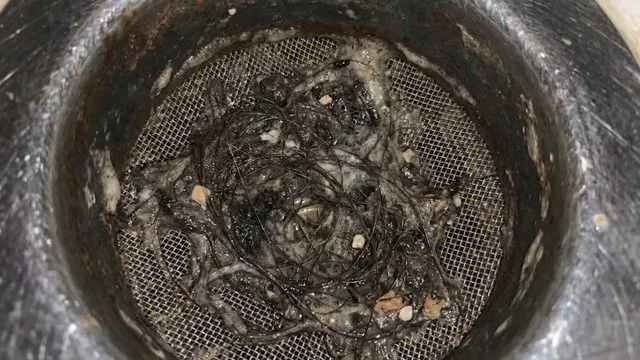
A kitchen drain clogs with grease and food that congeal on the pipe wall. A bathroom line clogs with hair and soap. A main line clogs with everything at once, and in older Acworth streets, with roots. Knowing which line is involved points to the right tool, because grease, hair and roots are not cleared the same way.
That is why the first question is always which fixtures are affected. One slow drain is a branch problem; several at once is the main, and the main is where a camera earns its keep.

Habits that keep a drain clear
A few simple habits prevent most repeat kitchen clogs. Keep grease out of the drain, since it hardens downstream even when poured warm. And run plenty of water after the disposal so scraps are carried past the trap rather than settling in it. In the bathroom, a simple hair catcher stops the most common tub and shower clog before it starts.
None of this helps a root-invaded main line, which is a structural issue rather than a habit, but it does keep the everyday branch clogs from becoming a standing appointment.
Where the code comes in
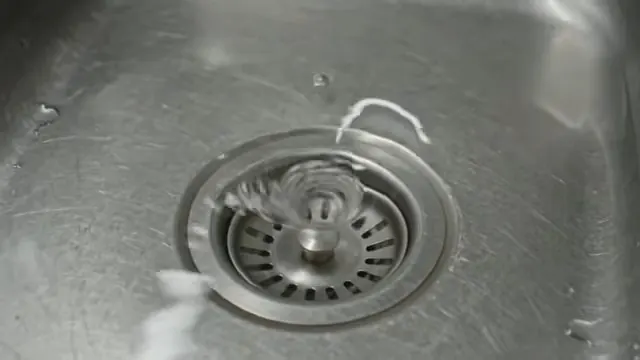
Clearing a drain is not itself a permitted act, but any repair that follows, a broken lateral, a re-piped branch, is made to the International Plumbing Code that Georgia adopts. That is why a recurring clog is cameraed first: to tell a simple clog from a fault that needs a code repair.
The everyday guidance is do not pour grease down the kitchen drain, since it hardens downstream even when poured warm, and use a hair catcher in the tub. Those habits prevent most repeat branch clogs.
What the drain is telling you
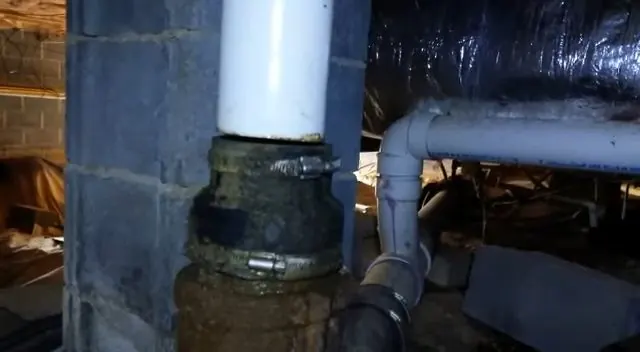
- AOne slow fixture: a local clog in that trap or branch.
- BSeveral fixtures slow at once: the main line is restricted.
- CGurgling and a smell after rain: often roots or a compromised lateral.
- DBackup at the lowest drain first: a main-line blockage, not a fixture.
Related help
When the camera shows a broken or root-crushed lateral, cabling is a stopgap and sewer line repair is the fix. For heavy grease or a dense root mat, hydro jetting scours the pipe wall clean rather than just punching a hole. On the lots outside the sewer district, a slow whole-house drain can mean the septic side needs septic service.
QUESTIONS.
Answered in Acworth
Are chemical drain cleaners a bad idea?
For a main-line or root clog they do little except sit in the pipe, and repeated use can damage older lines. Mechanical clearing removes the blockage; a camera shows whether it will return. For a minor trap clog they are usually unnecessary.
Why does my drain back up worse after heavy rain?
Rain saturates the clay around a cracked or root-invaded lateral and raises the ground water, so a line that drains slowly on a dry day gives up entirely when it is wet. That pattern points at the pipe itself, not the fixtures.
Do you clear the main line, not just sinks?
Yes. We cable branch drains and main sewer lines, and we camera the main to identify roots, grease, bellies or breaks so the fix matches the cause.
Should I snake it myself first?
A hand auger can clear a simple, isolated clog in one fixture. For a whole-house slowdown or a drain that keeps returning, a store auger only reaches so far and cannot tell you why it clogged. That is where a camera and the right clearing method come in.
How often do drains need professional cleaning?
A healthy home rarely needs it on a schedule. Recurring clogs, several fixtures slowing at once, or a line with a known root problem are the signals that a professional clearing, and a camera to find the cause, are worth it.
Ready when you are
Describe what is happening and you will reach a licensed Acworth plumber, not a form.