ACWORTH, GEORGIA.
Emergency Slab Leak Detection & Repair in Acworth, GA
Acworth's red clay swells in spring rain and shrinks in summer drought, and that constant movement is exactly what opens a joint in a line buried under a slab.
Emergency? Warm spot on the floor or a meter that never stops? Shut off the main and call. Slab leak emergencies are answered 24/7.
Why slab leaks happen more on clay
The Piedmont clay under most Cobb County homes does not sit still. It expands when it takes on water and contracts when it dries out, and every cycle nudges whatever is buried in it. A copper or CPVC line cast into a slab has nowhere to move, so the stress finds the weakest joint.
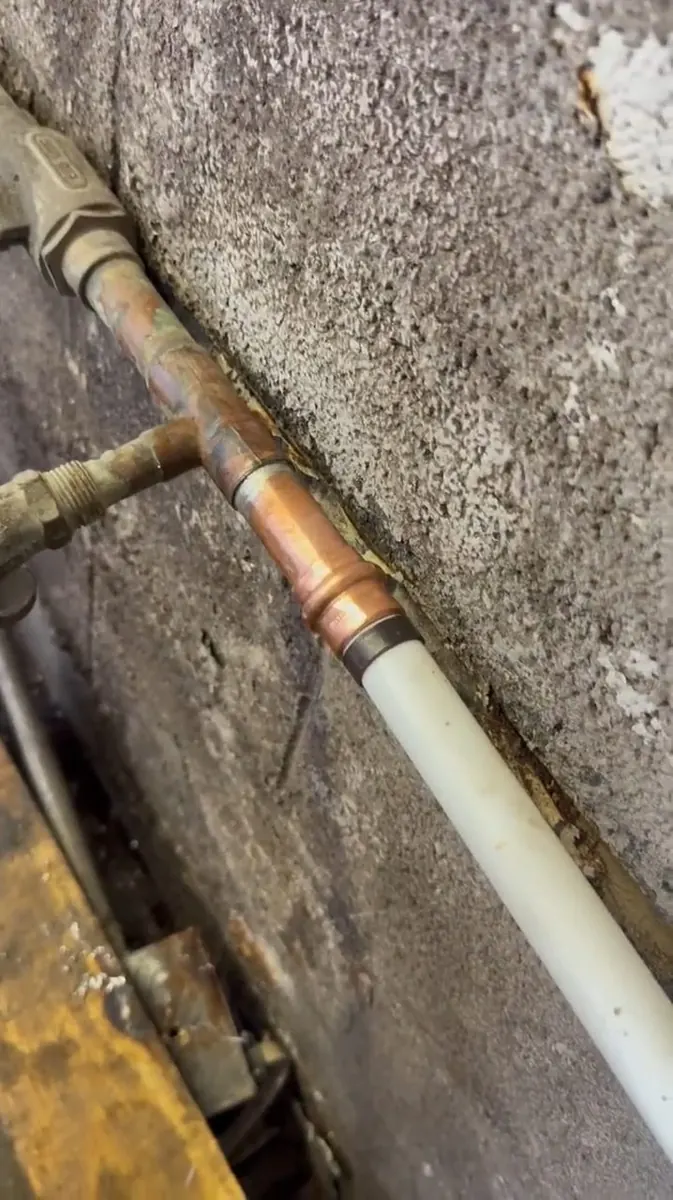
Add soft, slightly aggressive water moving through older copper and you get pinhole leaks from the inside as well. Either way the result is the same: water under the concrete, warming a patch of floor or lifting the flooring above it.
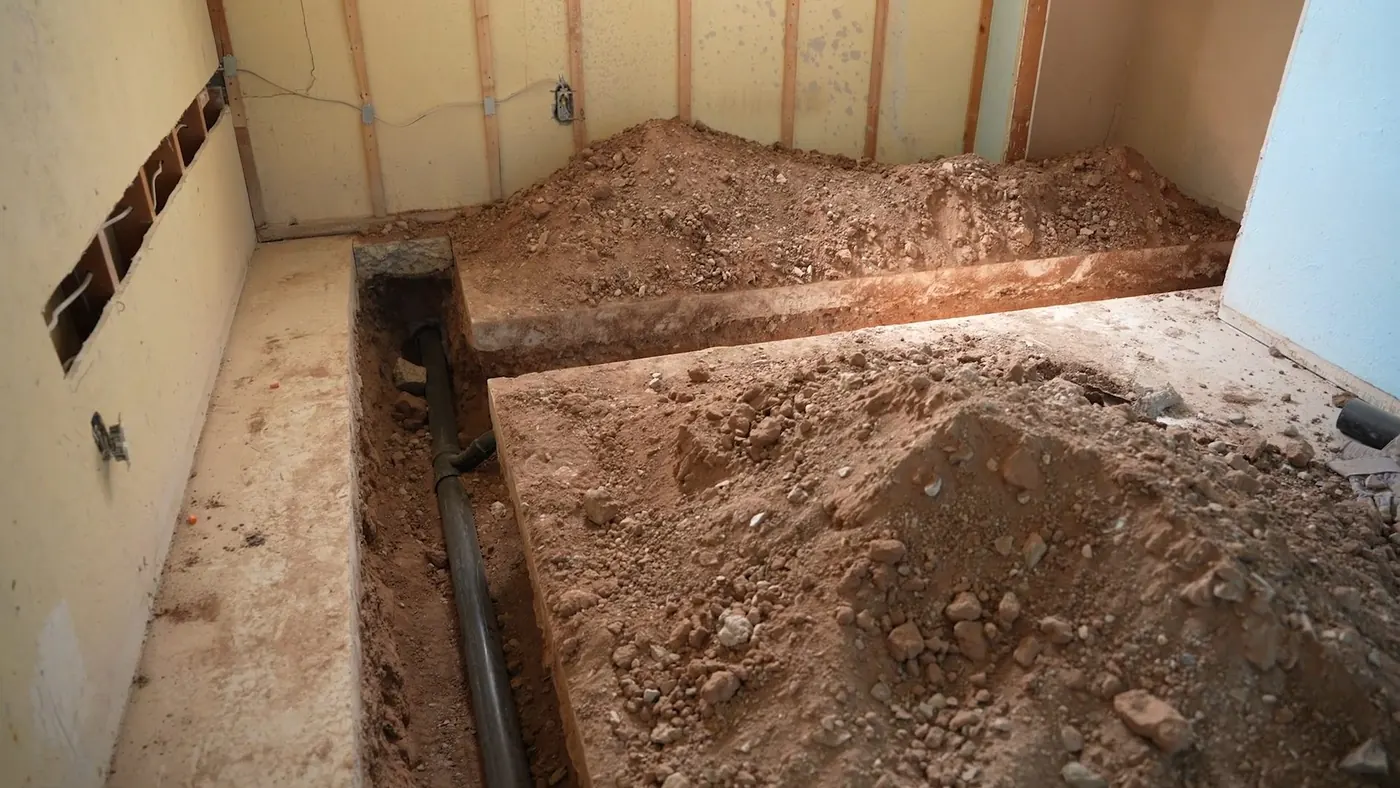
Reroute or spot repair
Once the leak is pinpointed, there are two honest paths. A spot repair opens the slab over the single failure and fixes that section, which is quickest when the rest of the line is sound. A reroute abandons the buried run and brings a new line overhead or through a wall, which makes sense when the pipe has already failed once and the soil will keep working it.
We walk through both with the actual location and the age of the plumbing in front of us, rather than defaulting to whichever is easier for the crew.
Need this looked at in Acworth?
Talk to a licensed Acworth plumber now. No forms, no callback queue, just a phone call.
Call (770) 764-0886What a slab leak does to the home above
A leak under the slab does not stay under the slab. Warm water raises the floor temperature over a hot line, moisture wicks up into flooring and baseboards, and the constant damp can lift tile or laminate. On a home with a finished lower level, it can also feed mold in the wall cavities nearby.
That is why a slab leak is not something to watch and wait on. The longer it runs, the more of the floor it affects, and the more the repair grows from a plumbing fix into a flooring one.
How we keep the concrete cut small
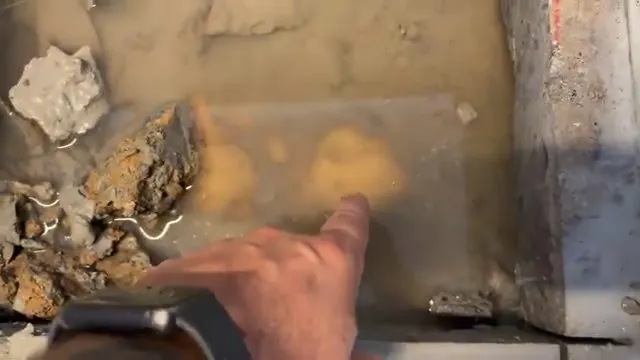
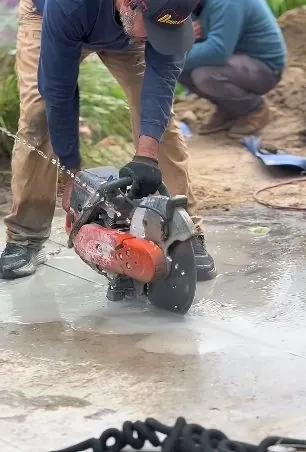
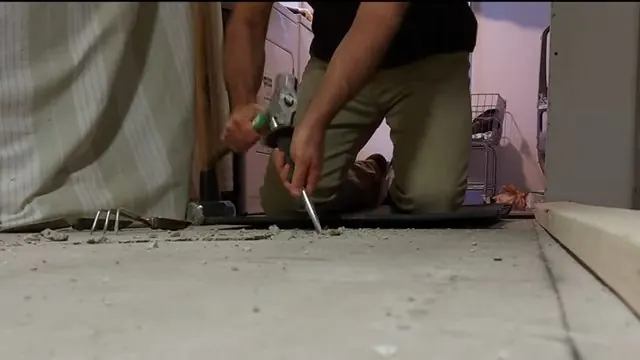
The whole discipline of slab work is opening the floor once, in the right place. We confirm the leak on the meter, then locate it acoustically and thermally so the jackhammer meets a hand-sized target rather than a guess. Where the pipe has already failed once, we talk through rerouting the line overhead instead, so the clay never gets another chance at it.
Either way, the aim is a repair sized to the actual failure, with the floor restored, rather than a exploratory dig that turns one leak into a construction project.
Code and the case for minimal cutting
A slab-leak repair is completed to the International Plumbing Code that Georgia adopts, whether the line is repaired in place or rerouted overhead. The standard governs the new pipe and connections; the skill is in locating the leak so the concrete is opened once.
The safety and cost point: a slab leak left running keeps feeding water under the home and worsening both flooring damage and soil movement, so do not wait it out. Confirming and locating it promptly keeps the repair small.
| Approach | Best when | Trade-off |
|---|---|---|
| Spot repair. | One clear leak, rest of line sound. | Cuts the slab; same pipe stays in the ground. |
| Reroute overhead. | Repeat leaks or aging copper. | More work up front, no more slab under that line. |
Related help
Every slab repair starts with leak detection so the concrete is opened once, in the right place. A home on its second or third slab leak is usually better served by a full repipe. If the leak has been running a while, the floor and subfloor may need water damage restoration as well.
QUESTIONS.
Answered in Acworth
How do I know the leak is under the slab and not elsewhere?
A warm spot on the floor, a spike in the water bill, the sound of running water with nothing on, and flooring that lifts or discolors all point under the slab. We confirm it by isolating the line and locating it acoustically before any concrete is touched.
Does homeowners insurance cover a slab leak?
Policies vary, and many cover the resulting water damage while excluding the pipe repair itself. We document the leak and the damage so you have what the adjuster asks for; the coverage decision is between you and your insurer.
Can the clay just do this again to a new line?
It can work any line in the ground, which is why a reroute above the slab is sometimes the better long-term answer for a home that has already had one slab leak.
How urgent is a slab leak?
More urgent than it looks. It keeps feeding water under and into the home, worsening flooring damage and soil movement the whole time it runs. Confirming and locating it promptly keeps both the plumbing repair and the flooring repair smaller.
Is rerouting better than repairing in place?
It depends on the pipe. A single failure in otherwise sound line is a spot repair. A home that has already had a slab leak, or has aging copper throughout, is often better served by rerouting that line above the slab so ground movement cannot reach it again.
Ready when you are
Describe what is happening and you will reach a licensed Acworth plumber, not a form.