ACWORTH, GEORGIA.
Toilet Repair & Installation in Acworth, GA
A toilet that runs all night quietly wastes more water than any dripping faucet, and it is usually a five-minute part doing it.
The running, the rocking and the seeping
A toilet that keeps refilling is almost always a worn flapper or a fill valve out of adjustment, and it is one of the cheapest fixes in the house. A toilet that rocks is loose on its flange, and that movement eventually breaks the wax seal and seeps onto the subfloor.
Water pooling at the base is the seal, not the bowl, and it is worth acting on quickly because it soaks into flooring and, on a second floor, the ceiling below. Pulling and resetting on a fresh seal and a sound flange is the honest fix, not another bead of caulk.

Replacing without the callbacks
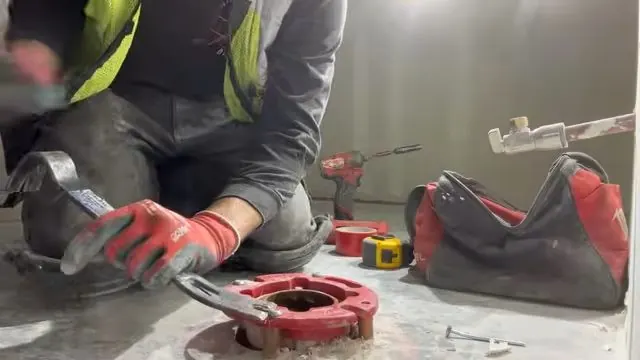
A clean toilet install stands or falls on the flange and the seal. If the flange sits below the finished floor after new tile, it needs an extender so the new toilet seals properly. Modern efficient toilets meet the code's water-use limits and flush better than the early low-flow units that gave them a bad name.
Clogs, and the toilet that clogs too often
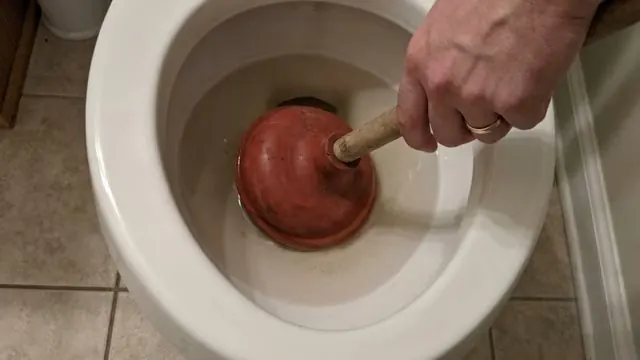
An occasional clog is normal; a toilet that clogs constantly is not. Repeat clogging can mean a weak older low-flow model, a partial blockage in the branch drain beyond the toilet, or a vent problem that starves the flush of air. Replacing the toilet fixes the first cause but not the other two, which is why the pattern matters.
If a modern toilet still clogs regularly, the drain and vent are worth checking, because the fix may be downstream of the fixture rather than in it.
Need this looked at in Acworth?
Talk to a licensed Acworth plumber now. No forms, no callback queue, just a phone call.
Call (770) 764-0886Getting the install right after new flooring
New tile or flooring is the sneaky reason a reinstalled toilet leaks or rocks. Raising the floor leaves the flange sitting too low, so the toilet no longer seals properly on the wax ring. The fix is a flange extender, not a thicker ring or a bead of caulk hiding the gap.
Done right, the toilet sits flush and level on a proper seal. Done wrong, it rocks, the seal breaks, and the base starts to seep within months.
Comfort height, efficiency and the right fit
A toilet replacement is a chance to fix more than a leak. Comfort-height bowls are easier to use, modern efficient models meet the code's water limits while flushing well, and the right rough-in and footprint make for a clean fit. These are worth getting right once rather than living with a compromise.
We match the new toilet to the space and to how the household uses it, and set it on a proper flange and seal so it sits solid and level. A toilet installed right is one you stop thinking about.
The standard a new toilet meets
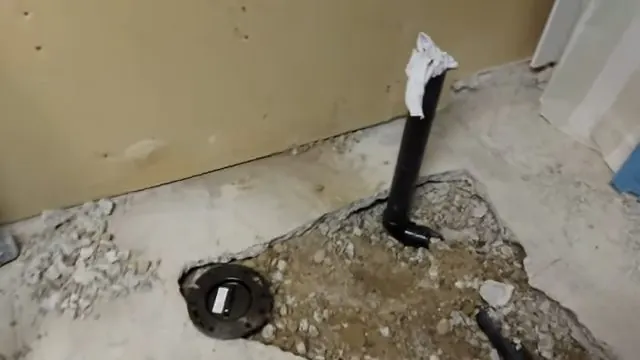
Toilets are installed to the International Plumbing Code that Georgia adopts, which includes the water-use limits modern efficient models are built to meet while still flushing strongly. The install is about setting the toilet on a proper flange and seal so it sits solid and level.
After new flooring, the guidance is do not shim and caulk over a low flange; a flange extender brings it to the right height so the wax seal actually holds. A toilet set right is one you stop thinking about.
Where the toilet is leaking
- Water in the tank, never stops: flapper or fill valve.
- Water at the base after a flush: the wax seal.
- Rocks when you sit: loose flange bolts, seal at risk.
- Sweaty tank in summer: condensation, not a leak.
Related help
The same worn-part pattern shows up at the sink, so faucet repair often rides along on a toilet visit. A toilet that clogs repeatedly can be a branch-drain problem that drain cleaning resolves. A seal that has leaked into an upstairs floor may need water damage restoration below.
QUESTIONS.
Answered in Acworth
Why does my toilet keep running?
A worn flapper that no longer seals, or a fill valve set too high so water runs into the overflow. Both are inexpensive parts and a quick repair, and fixing it stops a surprising amount of wasted water.
Water is pooling at the base. What is that?
Usually the wax seal under the toilet, often because the toilet rocks on a loose flange. It should be reset on a fresh seal promptly, since that water soaks into the subfloor and, upstairs, the ceiling below.
Are the new low-flow toilets weak?
The early ones were. Current efficient models meet the code's water limits and flush well, so a modern replacement usually clogs less than the old unit it replaces, not more.
Why does my toilet clog so often even after replacement?
If a modern toilet still clogs regularly, the cause is often downstream: a partial clog in the branch drain or a venting problem that weakens the flush. Those are checked beyond the toilet itself, since a new fixture will not fix a drain or vent issue.
We just retiled. Why does the toilet rock now?
The new floor raised the surface, so the flange now sits too low for the toilet to seal and sit flush. A flange extender brings it back to the right height. Shimming and caulking over the gap only hides a seal that will fail.
Ready when you are
Describe what is happening and you will reach a licensed Acworth plumber, not a form.